IP Webcam for PC - Free Download on Windows 7/8/10/11 & Mac
In today’s connected world, IP cameras offer an easy way to monitor your home, office, or any space remotely. While smartphones are the most common devices used with IP Webcam, it is also possible to install and use the app on your PC for more convenient surveillance, video streaming, or monitoring. Whether you are using a Windows or Mac system, there are simple methods to install and use IP Webcam, turning your device into a powerful network camera for your desktop or laptop.
In this guide, we will walk you through the steps of downloading and setting up IP Webcam on both Windows and Mac systems, how to use it for video streaming and monitoring, and answer common questions related to the process.
What is IP Webcam?
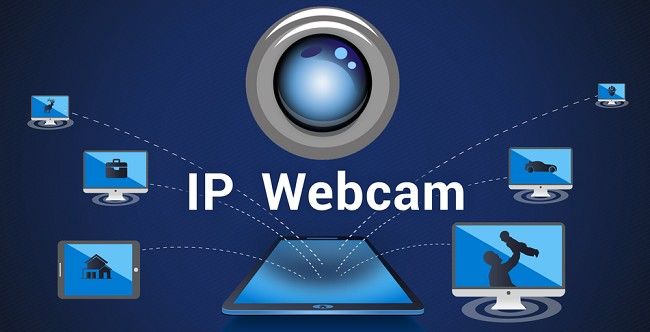
Before diving into the installation process, it’s important to understand what IP Webcam is and how it works. IP Webcam is a popular Android app that transforms your smartphone or tablet into a network camera, capable of streaming video and audio. You can access the feed through web browsers, VLC player, or third-party software. Features like motion detection, cloud broadcasting, and audio streaming make IP Webcam a versatile solution for surveillance, baby monitoring, or pet watching.
The app streams video and audio locally over Wi-Fi, but with the use of Ivideon cloud service, you can also access it remotely from anywhere in the world. It supports a variety of video and audio formats and allows you to upload footage directly to cloud storage services like Dropbox, FTP, and SFTP.
While originally designed for Android devices, using IP Webcam on a PC opens up even more possibilities for users who prefer a larger screen for monitoring or wish to incorporate their PC into their home security system.
Why Use IP Webcam on PC?
Using IP Webcam on a PC has several advantages:
Larger Screen for Viewing: With a PC, you can view the camera feed on a larger screen, making it easier to monitor multiple camera feeds.
Continuous Monitoring: PCs generally offer better performance for continuous monitoring compared to mobile devices, especially when you're running multiple camera streams.
Storage and Cloud Integration: Your PC has more storage and can run more powerful software, making it ideal for recording, uploading, and storing video footage from your IP Webcam.
Easy Integration with Other Software: If you're using surveillance or security software on your PC, integrating IP Webcam is straightforward.
How to Download IP Webcam for PC Windows?
To use IP Webcam on a Windows PC, you need an Android emulator. An emulator acts as a bridge to run Android apps on your computer. Here are the steps for downloading and installing IP Webcam on Windows using an emulator:
Step 1: Install an Android Emulator
There are several Android emulators available for Windows that allow you to run Android apps on your computer. Popular options include BlueStacks, NoxPlayer, and MEmu. Here, we will guide you through the installation process using BlueStacks.
Download BlueStacks: Go to the BlueStacks official website and download the latest version of the emulator for Windows.
Install BlueStacks: Once the download is complete, open the installer file and follow the on-screen instructions to install BlueStacks on your computer.
Sign in to Google Account: After installation, launch BlueStacks. You’ll be prompted to sign in with your Google account. This is necessary to download apps from the Google Play Store.
Step 2: Install IP Webcam on BlueStacks
Open the Google Play Store: Inside the BlueStacks emulator, click on the Google Play Store icon to open it.
Search for "IP Webcam": In the Play Store search bar, type “IP Webcam” and press Enter.
Install the App: Click on the “Install” button next to the IP Webcam app from the search results. The app will download and install just like it would on a regular Android device.
Step 3: Set Up IP Webcam
Once IP Webcam is installed on BlueStacks, you can set it up to start streaming:
Launch IP Webcam: Open the app from the BlueStacks home screen.
Configure Camera Settings: You will need to configure video and audio settings, including resolution, quality, and audio format. If you're using the app for surveillance, you can enable motion detection and cloud uploading options.
Start the Stream: After configuring the settings, tap on “Start Server.” The app will generate an IP address and port number.
View the Stream on PC: Open a web browser and enter the IP address and port number provided by the app (e.g., http://192.168.1.101:8080) to view the live stream.
Step 4: Monitor and Use the Video Feed
Now that you have the feed running on your PC, you can monitor the video from your smartphone, or even configure multiple camera feeds to track different areas in real time. You can also use VLC player or third-party software for enhanced features such as recording or using additional tools for surveillance.
How to Download IP Webcam on Your Mac?
For Mac users, the process is similar to that of Windows, as you'll need an Android emulator to run the IP Webcam app. The most popular emulator for macOS is BlueStacks, but alternatives like NoxPlayer also work. Here’s how to set up IP Webcam on Mac:
Step 1: Install BlueStacks on Mac
Download BlueStacks for Mac: Visit the BlueStacks website and download the macOS version of the emulator.
Install BlueStacks: Once the download is complete, open the installer and follow the on-screen instructions to install BlueStacks on your Mac.
Sign in to Google Play: Open BlueStacks, and sign in with your Google account to access the Play Store.
Step 2: Install IP Webcam on BlueStacks for Mac
Access the Google Play Store: Launch the Google Play Store from the BlueStacks interface.
Search for IP Webcam: Use the search function to find the IP Webcam app.
Install the App: Click on the “Install” button next to the app to start the download.
Step 3: Set Up IP Webcam on Mac
Open IP Webcam: Once installed, open IP Webcam within BlueStacks.
Configure Settings: Set up your preferred video resolution, audio format, motion detection, and cloud settings.
Start Streaming: Tap “Start Server” to begin streaming. The app will display an IP address and port number that you can use to view the live feed.
Step 4: View the Camera Feed on Mac
To access the live stream, open any web browser on your Mac and enter the IP address provided by IP Webcam (e.g., http://192.168.1.101:8080). You can now monitor the camera feed directly from your Mac, and use additional tools like VLC or third-party surveillance software for further functionality.
Troubleshooting Tips
While the process of installing IP Webcam on Windows or Mac is relatively simple, you might encounter a few issues along the way. Here are some common troubleshooting tips:
Video Feed Not Loading: Ensure that the IP address and port number are correctly entered in your web browser. Double-check that your emulator is running, and your smartphone and PC are connected to the same Wi-Fi network.
Slow Streaming: If the stream is buffering or loading slowly, check your Wi-Fi connection and consider lowering the video resolution in the app settings.
Audio Issues: If the audio is not working, ensure that the correct audio settings are selected in the IP Webcam app. Also, check that your smartphone's microphone is not blocked or muted.
Connection Drops: If the connection between the emulator and the smartphone drops, try restarting both devices and the emulator. Ensure that no firewall or security software on your PC is blocking the connection.
Conclusion
Running IP Webcam on your PC (whether Windows or Mac) allows you to turn your smartphone into a powerful network camera that can be easily monitored and controlled from your desktop or laptop. By using an Android emulator like BlueStacks, you can seamlessly integrate your smartphone’s camera feed into your PC setup for home security, video surveillance, or even personal monitoring purposes.
With the right setup, you can access live video streams, record footage, and take advantage of advanced features like motion detection and cloud storage. By following the steps outlined above, you can get started with IP Webcam on your PC today, and enjoy the benefits of remote monitoring on a larger screen.
Trending Now
Updates